Skip to Content
Categories:

Access to healthcare remains a challenge in Michigan

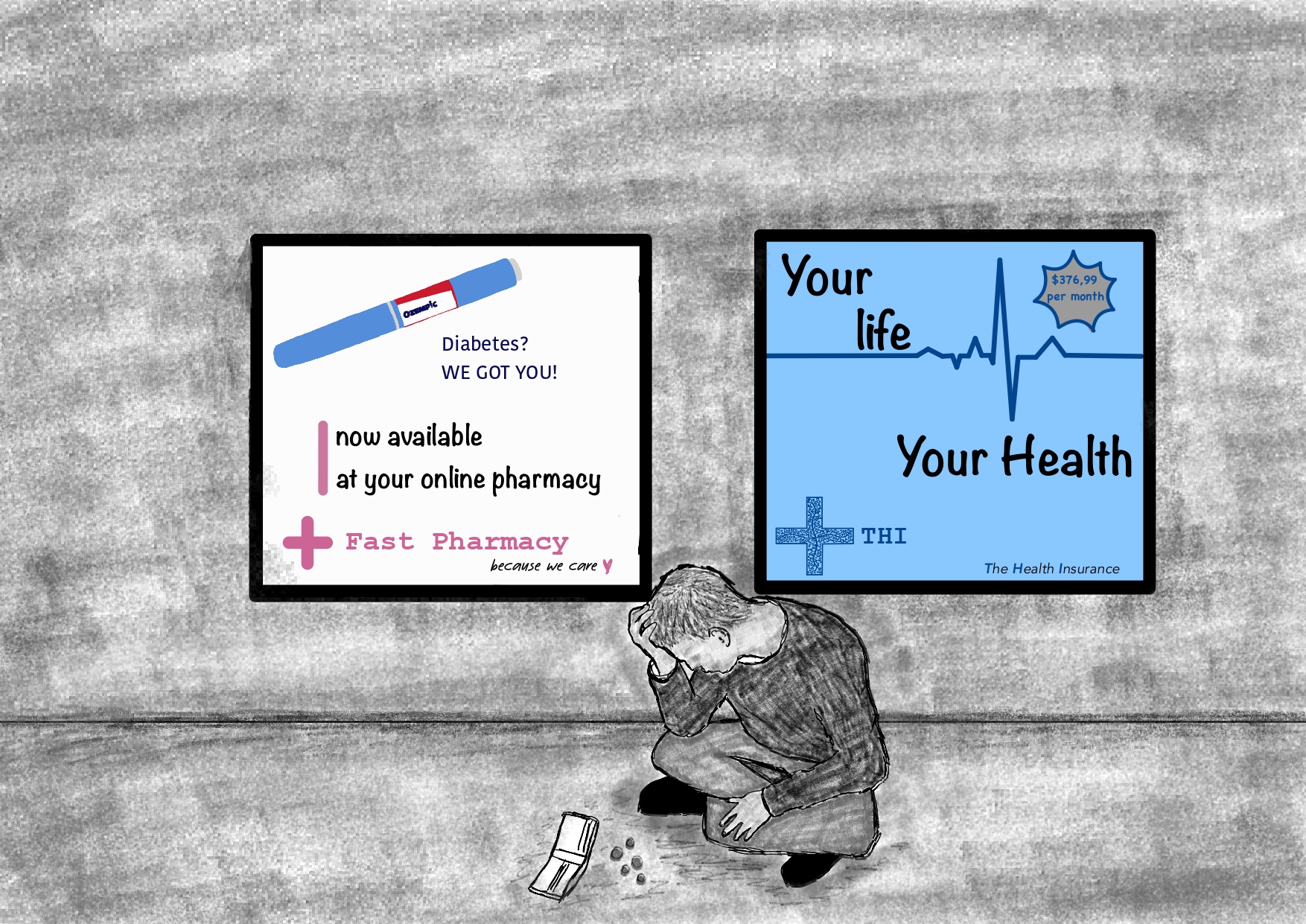
Access to healthcare remains a challenge for many in Michigan.
Anna Helming
Washtenaw Health Project

Stacey Goins, a single mother of two, from Greenville, MI, was familiar with the challenges of financial stability when she was diagnosed with ovarian cancer, as she told the American Cancer Society. She was prescribed a medication to keep her cancer from returning after successfully undergoing treatment, but learned that, despite being provided a financial assistance program by the drug manufacturer to help her with copays, she would still be held accountable for the entire amount of her maximum out-of-pocket costs — something that was perfectly legal under Michigan law.

Goins is not, by any means, the only one with this struggle. Across the world, there are many barriers to healthcare, yet access to it is critical. Locally, organizations such as the Washtenaw Health Project (WHP) work on providing healthcare coverage and resources for those who need them.

“The changing landscape of healthcare access is our biggest challenge,” said WHP project manager Meredith Buhalis. “Affordable health care options are disappearing due to federal changes.”

Current Background

The expiration of the Affordable Care Act (ACA), also known as “Obamacare,” occurred at the end of 2025, resulting in higher health costs for millions of Americans, according to PBS. The Democratic Party forced a 43-day shutdown over this issue. Under the ACA, tens of millions of Americans relied on the Affordable Care Act Marketplace. In Michigan, over 530,000 people used the Marketplace to access affordable private health insurance, which is one factor that contributes to this broad topic of “access to healthcare,” according to the CHRT Legislative Brief

There is a positive association between adequate health insurance and improved health outcomes. However, Michigan has a historically lower uninsured rate compared to the national average; in 2023, the rate was 4.5%, compared to the national 8%. The highest rates of uninsurance is reflected in those without a high school diploma, those who identify as “some other race alone,” as well as young adults aged 25-34. However, though Michigan may be better off than other states, it is still an important issue across the state.

Looking into Washtenaw County

This is where the WHP comes in, standing as a support, among other resources, to help residents of Washtenaw County and Southeastern Michigan who don’t have health insurance. The health insurance plan options, as on their website, depend on household size, household income, and immigration status.

Though insurance is a large part of access to healthcare, it is not the only part. Healthcare provider shortages are a challenge not only in Michigan but across the country. Out of Michigan’s 83 counties, 72 of them are designated as Health Professional Shortage Areas (HPSAs) by the Health Resources and Services Administration (HRSA).

“I believe that there’s a lot of access to healthcare in urban areas, with transportation, and also with just awareness. […] There’s not as many options [in rural areas] to have healthcare,” HHS Health Science teacher Pauline Sargent said.

Health Related Social Needs

Unmet social needs are the third factor. Health-related social needs (HRSNs) impact the prevalence of chronic conditions, health outcomes, and even life expectancy. An individual’s social situation also has a role in their ability to access timely care. HRSNs have a wide range, including food insecurity, lack of social support, and even racism and discrimination. 

Access to healthcare is especially important in Michigan, as approximately 60% of the adult population has at least one chronic disease. Additionally, nurse practitioners (NPs) play a crucial role in addressing healthcare access issues. However, unlike states with Full Practice Authority (FPA), it is required for NPs to have a supervising physician in Michigan, which potentially limits their ability to provide care, according to MSU College of Nursing

Due to healthcare costs, many people delay or avoid healthcare, unless it’s an emergency. However, this delay can cause the health issue, which originally might have been minor, to worsen and become a major problem. The issue of limited access happens especially in rural and low-income areas, as Sargent previously explained. Additionally, even when there are available times for healthcare providers, people can have trouble using online portals, which can be potentially troublesome for older adults or people with cognitive disabilities.


Future Solutions

The WHP was founded to help solve these problems. It started as a document titled “Principles on Which to Base a Resident Hospitalization Policy for Washtenaw County,” which reflects WHP’s principles today. The county health department started a planning process, after which the Washtenaw County Board of Commissioners passed a county resolution officially creating the program on Nov. 6, 1997.

Stories like Goins’ highlight how gaps in healthcare access can have lasting financial and health consequences. While Michigan has made progress in reducing uninsured rates, barriers to care remain, making local support systems essential as broader healthcare policies continue to shift.

Donate to The Emery
$1505
$3000
Contributed
Our Goal

Your contribution will support the student journalists of Huron High School, help us to offer scholarships, cover our annual website hosting costs, and most importantly, allow us to keep recording history.

More to Discover
Donate to The Emery
$1505
$3000
Contributed
Our Goal