
Let us be honest, we all click “I agree” when we sign up for a new web application without actually reading the terms of service (ToS). But do not feel bad. Over 90% of consumers accept the ToS without actually reading them (Business Insider). That practically means we get an F in digital security.
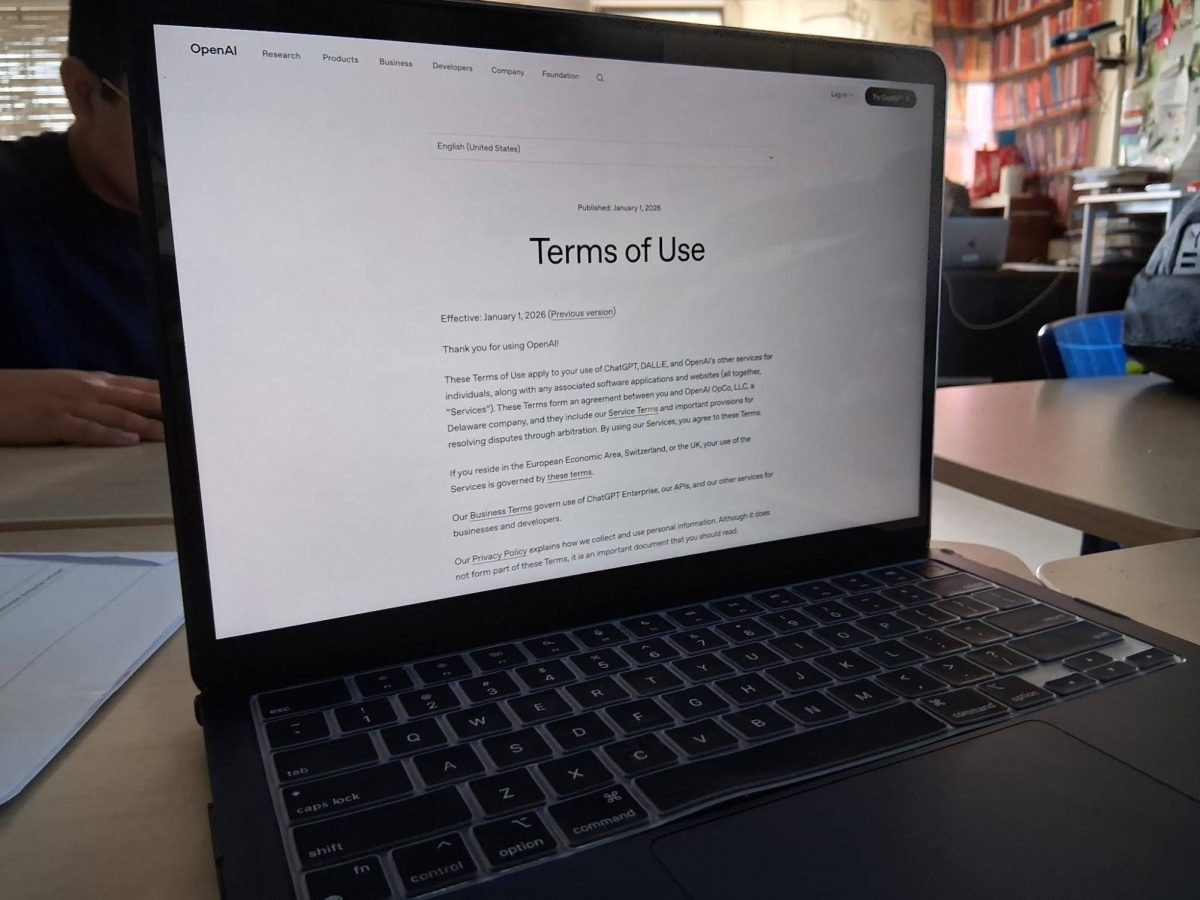
You might wonder, would not this “lack of reading terms” affect how companies treat our data? Well, you are correct. Over 800 million people have an OpenAI account (Medium), and you can bet that not even a fraction of those people read the 3,315-word ToS. That is a big concern, and many people break the ToS without even realizing it.
So today, we are going over 10 different things that you would not have known about OpenAI’s ToS before reading this article.
- Minimum age
OpenAI requires users to “be at least 13 years old or the minimum age required in your country to consent to use the Services” (OpenAI). Persons below the age of 18 also need to get parent or guardian permission before using the Services. This rule is because of the Children’s Online Privacy Protection Rule (COPPA). COPPA protects users under the age of 13 from harmful websites. While OpenAI is not harmful, children under 13 are callow, and they can’t form a legally binding agreement with companies without parental supervision. However, 26% of US teens use OpenAI for homework (Pew Research Center), and you can also bet more than a fraction of that population did not get their parent’s permission before using OpenAI.
- User requirement to verify accuracy
Accuracy is important in this world. However, the word “accuracy” might as well be the antonym of what AI is. Users are warned by the message “ChatGPT can make mistakes. Check important info.” Users are also mandated to verify the information OpenAI says (OpenAI), while many students just mundanely copy-paste AI responses into their assignments.
- Restriction of access to account
Many students use their school accounts ending in aaps.k12.mi.us instead of a Gmail account. However, an aaps.k12.mi.us email is a workspace-managed email, meaning that a workspace administrator can manage your account. When signing up to OpenAI with an aaps.k12.mi.us email, that means that “the organization’s administrator will be able to control your account” (OpenAI). This also suggests that AAPS administrators can ban your OpenAI account any time.
- AI honesty
Many students use ChatGPT to help write their essays. However, they rarely disclose that artificial intelligence was used in the creation of the process. This is a direct violation of OpenAI’s ToS (OpenAI).
- Input Rights
Many people upload images or content that are not theirs into the ChatGPT interface. While they might feel like it is fine, it is another direct violation of OpenAI’s ToS (“You represent and warrant that you have all rights, licenses, and permissions needed to provide Input to our Services” OpenAI).
- Sole account
Many students share their OpenAI accounts with their friends and classmates, helping each other use AI in a beneficial way. While this is a generous act, it is directly against the OpenAI ToS. Its ToS explicitly says that “you may not share your account credentials or make your account available to anyone else” (OpenAI).
So technically, sharing your account with your friends can get your OpenAI account suspended.
- Deletion of risk accounts
You might believe that you can keep your OpenAI account as long as you do not breach the ToS. That is not true. OpenAI can delete any account as long as they have minimal suspicion that it will become a problem to the public or the company (OpenAI).
- Deletion of inactive accounts
Most people think their data is stored forever and they can access it whenever they want. That is not true in OpenAI’s case. OpenAI can “terminate your account if it has been inactive for over a year and you do not have a paid account” (OpenAI). While OpenAI will provide you with an email saying that your account is being deleted, many students do not check their emails, leading to the issue that inactive accounts will be deleted.
- Updating of ToS
OpenAI also may update their ToS any time they wish (OpenAI). While they provide a 30-day notice before the updates begin, many users don’t want to spend their time re-reading the vague ToS.
- Governing Law
Many users think OpenAI follows laws in whatever state or country they live in. That is also not correct. OpenAI is governed by California law (OpenAI), making it false that it is governed by Michigan law.
Ultimately, while reading the 3,315-word ToS at the official OpenAI website is not ideal, users should still somewhat understand the ToS of the apps they use. The next time you click “I agree,” make sure to pause and think: do you really know the ToS of the website? If not, it might be worth reading the ToS, even if it will cost you another five minutes or so.