
We are in uncharted territory, the unusual bounds and legal reasoning of Artificial Intelligence pitted against the right to our intellectual property.
Defined as “A work or invention that is the result of creativity, such as a manuscript or a design, to which one has rights and for which one may apply for a patent, copyright, trademark, etc,” by Oxford Languages, referring to the unique generation of human creativity, through many forms.
The maintenance and protection of this term and what it stands for is under threat as users turn to AI to generate work for them, writing, design, images, and all creative avenues have the potential to be overrun by this technological beast. The quality and humanity of the work produced by this tech can never stand in for human ingenuity; however, practicality will always win.
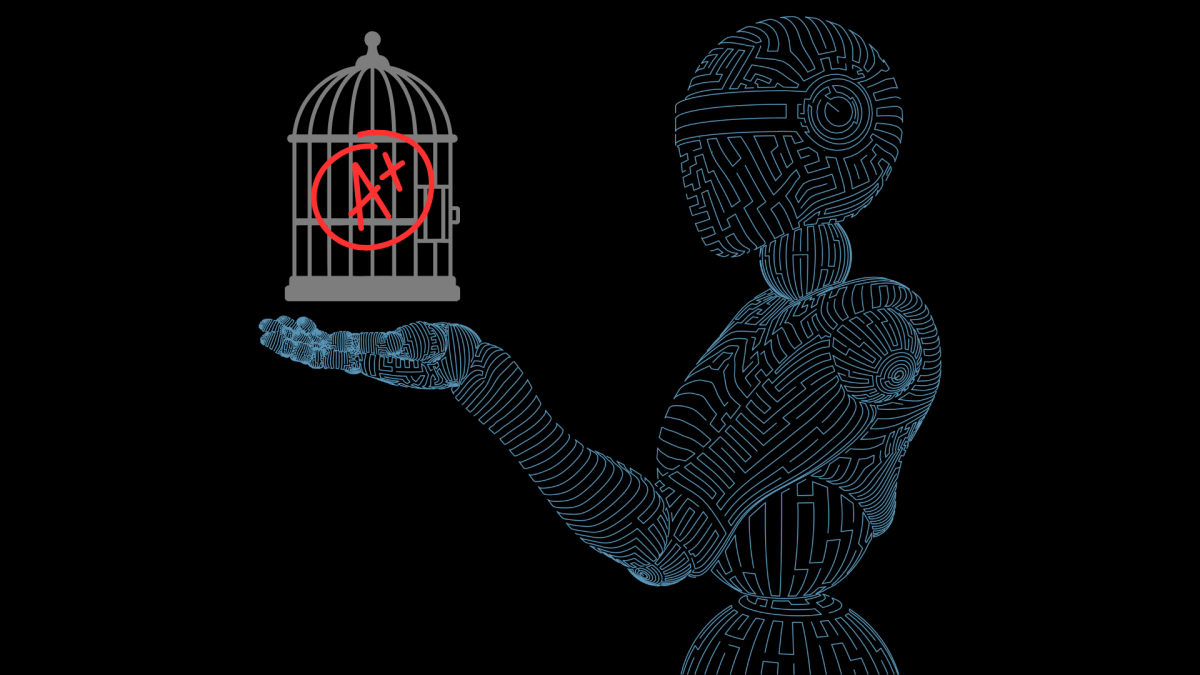
In this case, practicality is the continued advancement and investment in this form of tech, including in surveillance, such as intelligent grading chats or tutors. Artificial intelligence will make its way through, standing in as educators, putting a divide between the passing of knowledge from person to person. This is the creator of one of many problems, the funneling of ideas and writing into something that cannot give credit or be credited. In other words, it cannot discern that the writing fed to it cannot be mined for learning.
Even more dangerous is the consent that we have over that intellectual property; with an entity unable to define or discern ownership, the lines of ownership are blurred, and the risk for control over your own creation is questioned.
The creation of it is not threatened. Humans are innately creative beings and will always find a way to pursue this. The control over rights after that creation, however, is questionable; platforms to share this art are overrun by intelligence technology.
When your writing is fed to this intelligence without proper publication or correct proper crediting first, it is no longer yours. The profound loss experienced by creatives of their art and writing as it is mined for learning models is immeasurable, putting up walls about when and where this creativity can be shared.
Your genius is being used, mined by an ever-growing entity, fed by the corporations that embedded it into our everyday lives, tools, and systems. So next time you turn to type in a prompt, question what is being taken from you in return for what you’ve asked for. Intelligence is what matched humanity, but creativity will never be replaced.