
“It’s hard to ask for help. Even in dire times. We want people to feel dignified when they do.”
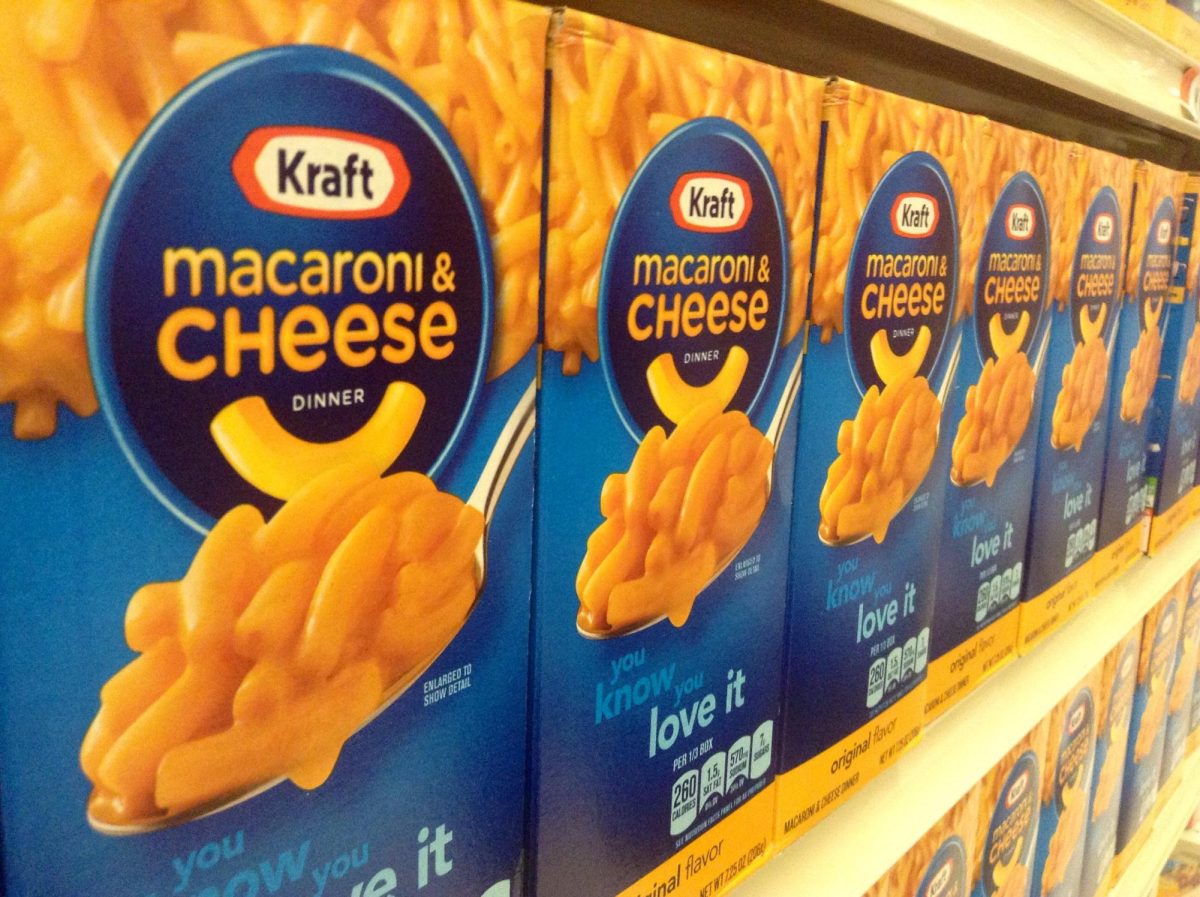
Standing in front of the food pantry donation shelves, I reached for the Kraft Macaroni. I carefully placed each box in a neat row. I was quite happy to see a brand I knew. The bright blue boxes seemed to bring me a sense of comfort.
Turning to my mentor, I happily expressed my love for the brand. I told her all about the delicious dinners my mom would cook with it.
Her face softened and she sat me down on a nearby bench. With the hum of the clinic buzzing softly behind us, she began to explain.
It wasn’t a coincidence that donors were asked to donate name brand food. That was intentional. It was a deliberate choice that changed lives.
At first, I didn’t understand why it mattered. Food was food, after all, wasn’t it? But then she said something that settled heavily on me. No one wants the remnants of what others don’t want.
That small detail of choosing name brands instead of mismatched, seemingly leftover foods with no names was the very essence of dignity.
For the hundreds that I knew would pass by, many faced circumstances where putting food on the table felt impossible. Many of whom worked multiple jobs or skipped their own doctor’s appointments so their children could go instead.
Asking for help is already hard enough, so when people do, they deserve to be treated with dignity. The familiar brands and labels on the shelf was a reminder that they deserved more than just society’s leftovers. It’s that extra touch of intentionality that makes people feel loved and valued.
I felt a sting of embarrassment for having overlooked something so simple. I had thought giving was just meeting a need. But that day I realized how we serve is just as important as what we give.
After that shift, I began to notice the small things. I noticed the “take your time” a volunteer murmured and the way doctors knelt to a child’s height. These tiny acts were what stitched dignity back into someone’s day.
I started asking people how their morning was, stopping long enough to actually listen to the answer. And I greeted every patient with more than just a polite smile, but tried to actually start a conversation.
And as I noticed the details, I started writing these stories down. I focused on the small moments.
The more I wrote, the more I noticed. Writing has a weird way of opening your eyes to all perspectives. I was learning to see. We all want to be treated as a human being worthy of care.
I learned that love and inclusivity aren’t abstract ideals. They live in the choice to say a patient’s name with sincerity and in a familiar blue box placed on a shelf for someone who needs to feel seen.
Because in the end, dignity lies in the details that matter.