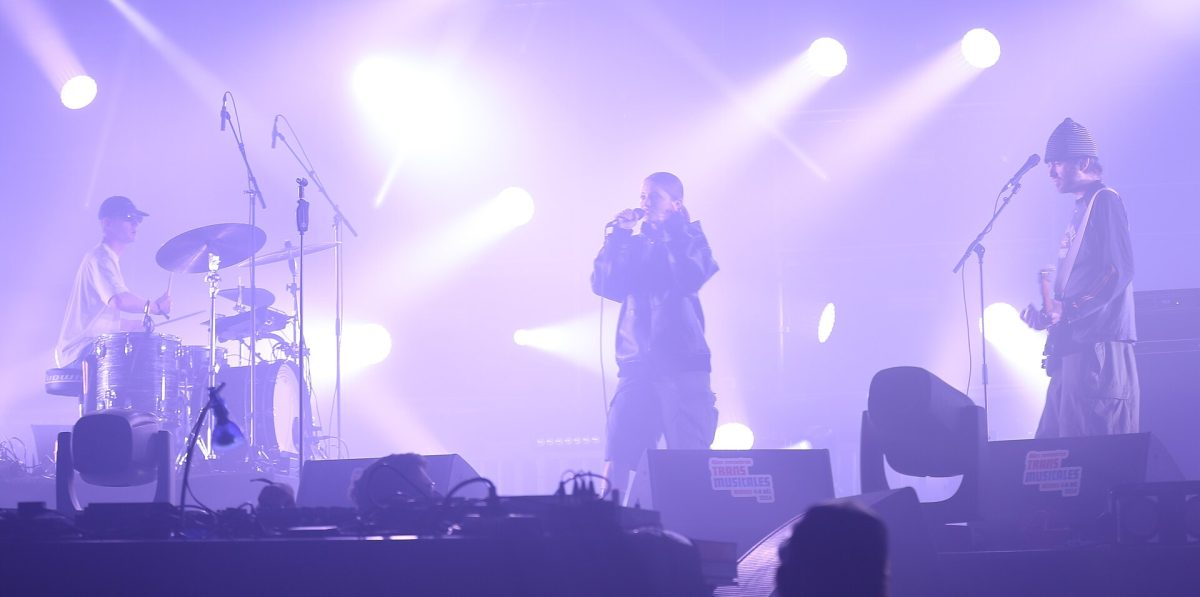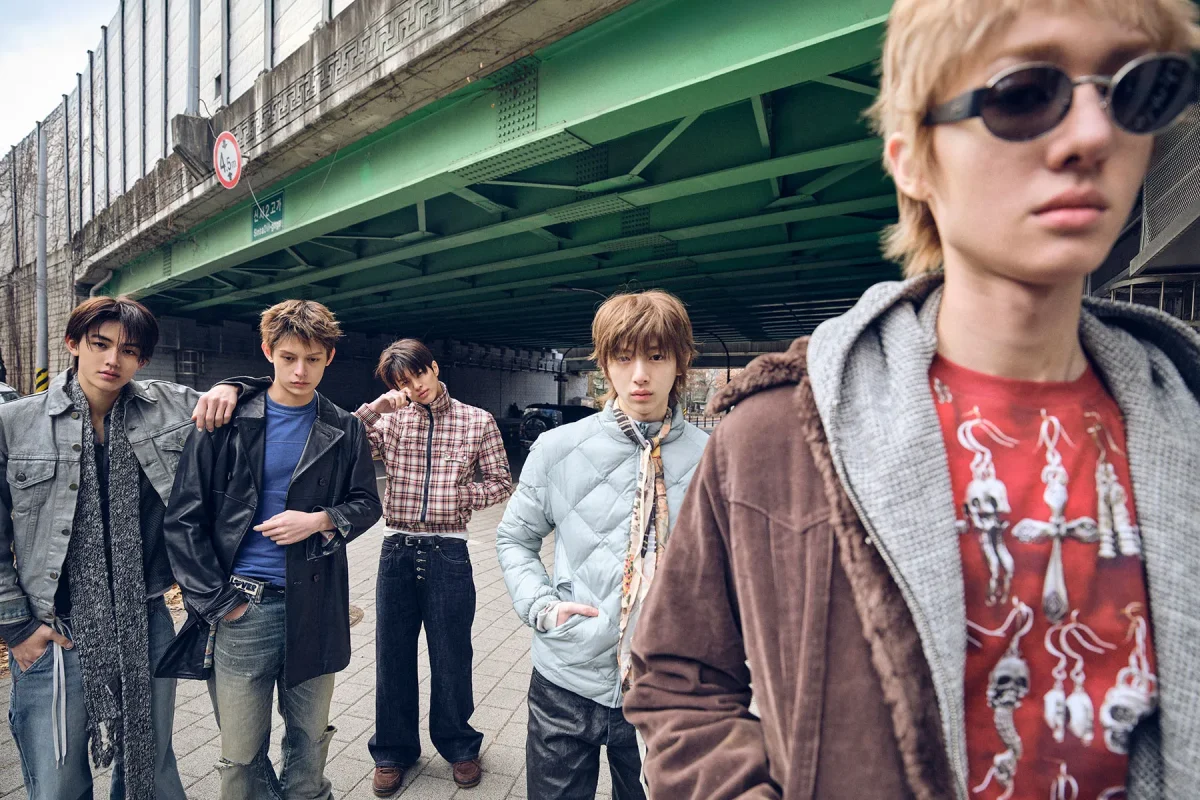


Born out of frustration with toxic perfectionism, “How to Kill a Fairytale” is alternative pop/rock duo Neoni’s newest album. But it is more than just an album; it’s a sonic demolition of naivety when it comes to happy endings. In a music landscape with superficial pop anthems, the sibling duo delivers a raw collection of songs that aggressively tears down the sanitized illusions of perfectionism.
The first track, “Tale As Old As,” begins with a whimsical, Wizard of Oz-esque feel, which caught me by surprise, as it is very different from Neoni’s usual style. But then the line “And nothing could ever ruin this for me,” is followed by a beat drop, saying “Oops, I spoke too soon / Fell off cloud nine, woke up in a tomb,” portraying a sudden, violent shift from perfect luck to an unexpected battlefield. Sonically, it is full of rage, reflecting on the cyclical destructive nature of life. It subverts classic fairytales, twisting the idea that “happily ever after” turns into disaster. It was a refreshing idea for me, as a lot, if not most, of the music out there portrays love as many things, but necessarily the type of disaster that Neoni makes it out to be in this song. So many albums center around the idea of wanting that happy ending, at least in the beginning, but this album opens with an acknowledgement of happily ever afters turning into something catastrophic.
From the unsettling transition of “Tale As Old As,” into the frantic desperation of the third track, “SOS,” the album demands that the listener confront the terrifying reality of self-doubt. Throughout the album, Neoni avoids cheap sentimentality and chooses instead to weaponize dark fantasy tropes to expose real-world anxieties, which is what makes it so relatable.
The brilliant weaponization of these tropes becomes a survival tactic on the eighth track, “Jane Doe.” This song serves as the emotional, weeping heart of the record, showing the personal cost of self-preservation. The duo tackles the toxic defense mechanism of burning bridges before anyone else can cross them, singing, “If I leave first, then they can’t beat me to it, / so, I say things that I don’t mean, so I can’t undo it.” It’s a scarily relatable admission of how trauma can distort logic. The fairytale expectation is that isolation breeds independence, but Neoni exposes it as a self-inflicted prison. They lay out the grim reality of a life built on pure trust issues: “Dinner for one, and now I’m able / to do whatever I want, is this what I wanted? / With my perfect logic.” By the time the haunting chorus leaves with the image of a tombstone engraved with “Here lies another Jane Doe,” the album has completely dismantled the myth of the lone wolf.
Yet, “How to Kill a Fairytale” hardly lets the listener drown in pity. Instead of succumbing to the disaster, the album includes a fierce, scorched-earth reclamation of agency, perfectly encapsulated in the adrenaline-fueled anthem “Autopsy.” Here, Neoni violently rejects the quiet, suffocating safety of conformity, snarling, “It’s insidious, the sickness of being content with / “My life is just fine,” baby, who are we kidding?” They explicitly shatter the imagery of classic damsels-in-distress, declaring, “No tower, no golden locks, see / Comfort’s kinda like epoxy, you can get stuck sleepwalking.” It’s a metaphorical twist I loved: the tower isn’t an external trap built by a witch; it’s a cage of our own making, forged by playing it save. Neoni challenges us to live so boldly and dangerously that our lives become an untamable adventure, choosing a volatile, spectacular end over a numbing existence. They dare the world to “Read it on my autopsy” while flying “110 on the freeway… screaming” into the void.
So, all in all, Neoni’s take on human disillusionment says that a fairytale can’t survive real life, and maybe it shouldn’t. By slaughtering the sanitized, fragile expectations forced on us in the stories throughout childhood, “How to Kill a Fairytale” forces us to build something much stronger from the rubble. It’s an album that proves there is immense, liberating power in accepting the disaster, drinking adrenaline like coffee, and finding a fierce, authentic version of yourself in the dark.