


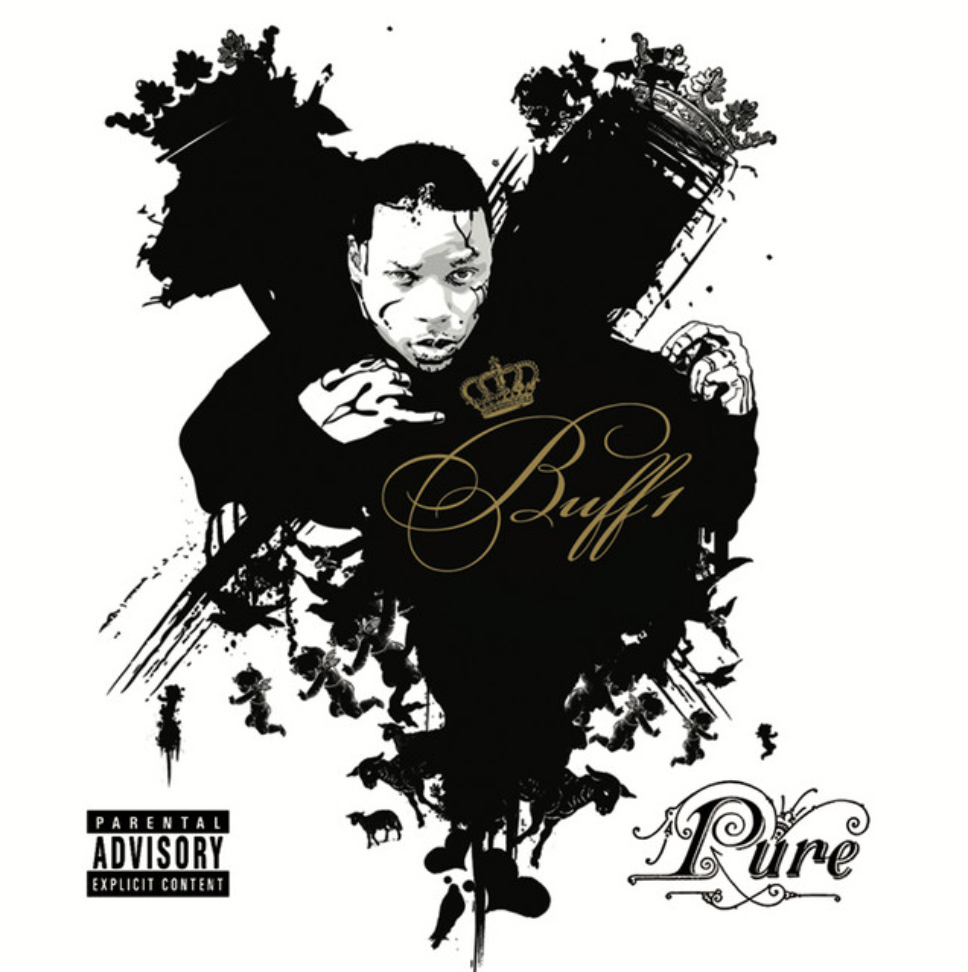
Despite being a graduate of Huron High School and later the University of Michigan, it’s interesting that Jamall Bufford attributes the core of his education to neither institution.
“I really feel like I graduated from the school of hip hop.” Bufford said, “Hip Hop taught me everything that I know about working and being a part of a community.”
Bufford currently works as the Director of My Brother’s Keeper at the Washtenaw Intermediate School District (WISD) an empowerment collective, and was previously coordinator of Ann Arbor’s Neutral Zone music programs. But before any of the work with the community, Bufford had a start to his journey with music in the halls of Huron.
When attending high school, he felt that he was in the minority, which forced him to make a greater effort to find and bond with the people who shared his interests.
“I had been writing a little bit, writing raps a little bit prior to high school, but meeting them kind of confirmed that, you know, I had some like-minded people. Back then, it wasn’t as cool to say you’re a rapper,” said Bufford, “Believe it or not, you kind of kept it a secret, and so meeting other people who had a similar interest was very inspirational, and kind of helped confirm that I was on the right path.”
That was the very path that took Bufford and his friends–now called the Athletic Mic League–to New York in the late 90’s,
“We made very marginal steps in our music career, but really, it just taught us that New York wasn’t the place for us. So we came back home, but it really inspired what we called our first album.” Bufford said, “What we call our first, debut album, called ‘Sweats and Kicks’, which came out in 2002.”
The importance of location was soon discovered by the group as they struggled to find footing on new ground, in an already established hip hop scene.
“We had to be true to ourselves and our roots and where we come from, you know, which is Ann Arbor, Michigan. So that really kind of shaped our sound in our first album, and the music to come from there.”
Success followed close behind, selling out the Blind Pig, signing a deal with a small independent label, and making consignment deals to distribute CDs and merchandise.
“When we were starting to really get our name out there, [and] get recognized not only across the state, but the Midwest, across the country, and then eventually, once the internet started becoming what it is today, started getting on internationally.”
But life happens, as members and friends within the group worked jobs, built families, and grew up, the ability to keep up full-time music work waned. An agreement was formed for a member to continue as a solo artist and for the group to later reform. This twist launched a solo career for Bufford, stage name: Buff1.
“Everybody voted for me to be that. I wasn’t super excited about it; I really had no desire to be a solo artist.” Bufford said. “I love community and being a part of a collective. But they voted for me, and so I was supposed to put out a couple of mixtapes or a couple of albums and then get back together.”
Despite initial hesitation, the following years were filled with personal successes.
“I ended up loving it, you know, ended up touring the world as a solo artist, and then touring the world also with The Black Opera,” Bufford said.
What possible response could one have to a genre that’s provided world tours, launched careers, and fostered a community?
“I owe everything to hip hop. It taught me so much. It opened a lot of doors. It created and fosters a lot of the relationships that I have.” Bufford said. “Even currently in this kind of youth work and social justice space, a lot of that is as a result of my work in hip hop.”

![Wazoo Records is a hidden gem of a record store, nestled right by Nickels Arcade. They have an intricate selection of records as well as books and magazines on music, and vintage DVDs. “My favorite thing right now [about Wazoo Records] is the atmosphere of the store,” owner Forest Juziuk said. “The store has been around since 1974, so a lot of what's up is old and hand-picked across the board.”](https://thehuronemery.com/wp-content/uploads/2026/01/wazoo-records-1200x900.jpg)