
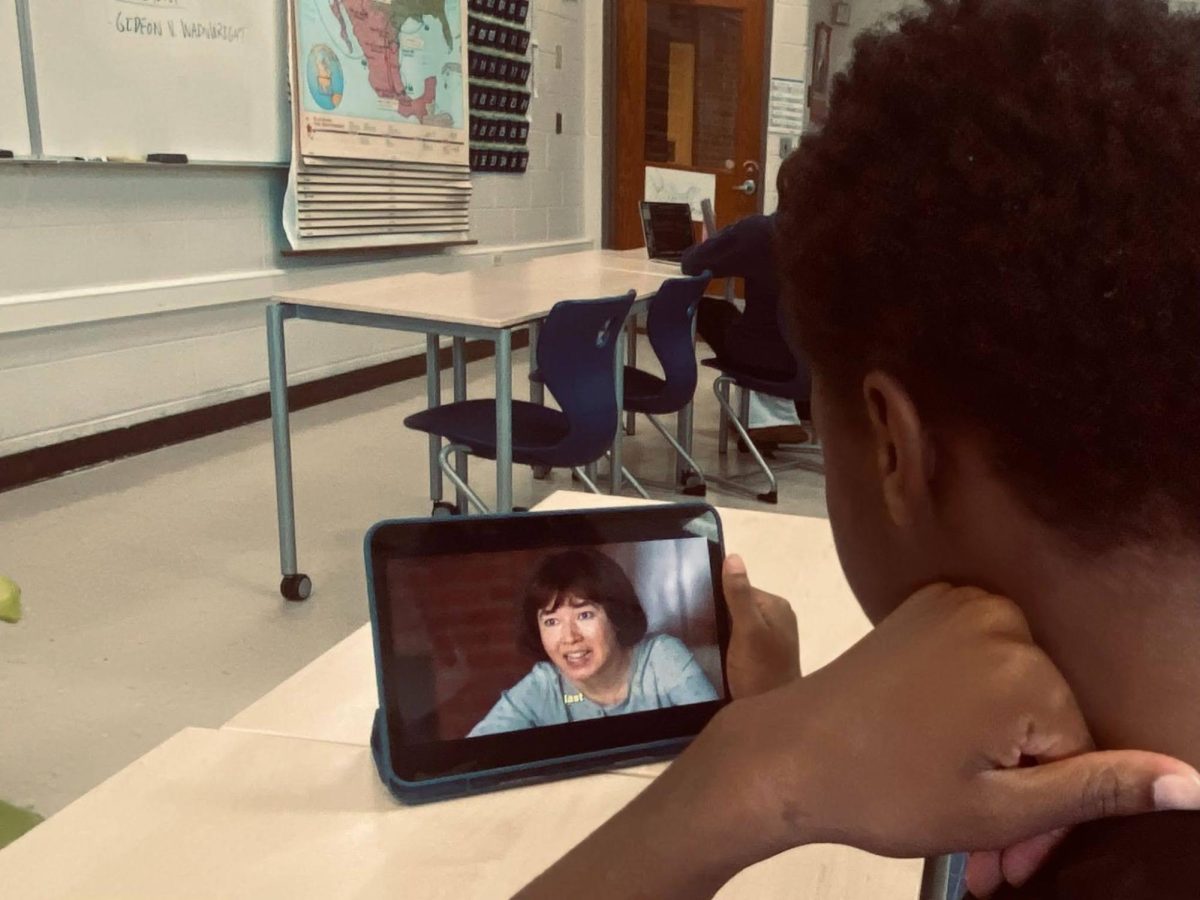
It was seventh grade in 2022 when I watched PEN15 for the first time. A comedic show streamed on Hulu, created by Maya Erskine and Anna Konkle who act as themselves in middle school, visualizing some events that occurred in their life and how it shaped them. When I had tried watching it at first, I never truly locked in. In eighth grade, I tried watching it again, and I actually saw the reality of the show which was about growing up in the 2000’s, and I quickly started to connect with Maya as she is also a person of color like I am and was presented as having some prejudice interactions here and there.
Now the line that touched me is in season two, Episode 10, “Shadow.” I was pretty deep in and felt like I knew the characters well. But I wasn’t prepared for what I was soon to be introduced to. For some context, Ume, Maya’s friend, visits her from Japan. This came as a surprise for Maya because she wasn’t expecting her and she was also bigger than Ume and they were usually the same height growing up — they only have a year age difference.
You first notice a disconnect between Maya and Ume, when Ume is trying to communicate with her but Maya can’t respond because she can’t speak Japanese as well as she can understand it. Their relationship is also very different than the last time they seen each other because Maya has been immersed more in American culture. She was starting to feel different as she was experiencing body changes and Ume received praise when Maya took her to school, making their disconnect greater.
During this visit, Maya is seen participating in some explicit activities and gets caught by Ume which results in her becoming defensive because she was embarrassed about it, and that brings us to the climax of the episode which is a back and forth between Maya and Ume. Anna, the other main character, defends Ume saying she’s a year younger and then Maya Ishii-Peters asks, “Why is being Japanese special on her but not on me?”
The first time I heard it, chills went throughout my whole body, my eyes became teary, my vision blurry, and I was stuck. For some reason I deeply resonated with the question though I am not in the conflict and I’m not Japanese and white. We’ve seen that Ume is presented as more ‘authentic’ than Maya for a lot of factors, and though it’s not Umes fault she was treated different than Maya by the same classmates who bullied her and gave her the title of “ugliest girl in school,” Maya still had resentment towards her and built up animosity.
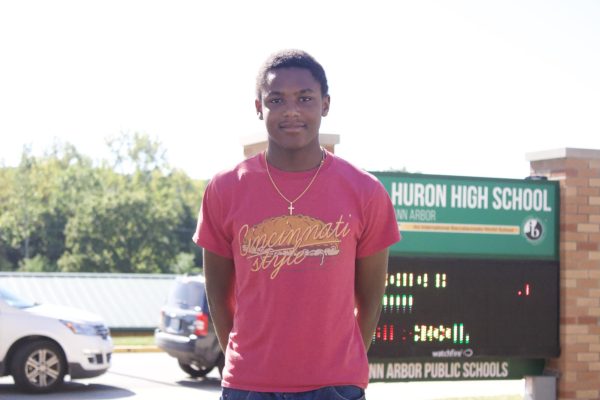
I couldn’t help but relate because growing up in a nice city like Ann Arbor is amazing, but like all towns, it has cons, and one of them is that African Americans are the minority. Online assumptions were made about me that I was white when you could only hear my voice, and when I was around my community, I was called white-washed. So every now and then, I would fluctuate on how I can lack relationship with my community through something so grouping like skin color. I get annoyed because being called “white-washed” means denying your race and/or not acting your stereotype. To this day, I still have to tell myself it doesn’t matter what people say or think because I am and will always be Black.
The bond between me and the character Maya is that even though we wear our skin everyday, other people who have the same skin can be presented as more ideal by the way they act, and that decision is created by people from the outside who create a box that eventually even the subjects start sticking to. Growing up as a minority, you sometimes start to shift into a more comfortable position that appeals to the majority, but a lot of people have this expectation, which is that you should just be who you are and that’s true but sometimes code switching can start to alter the original panel.
The second hit was delivered, Maya realizes what she said and looks in the mirror and says, ‘I hate you’ looking directly at herself. It is then she sees this is all insecurity and doesn’t like how she let herself and classmates make her feel disconnected from Ume and part of her identity. She apologizes to Ume and enjoys the rest of her time with her. I can also somewhat relate to her here because as I got older I learned not to get in the way of growing closer within my community in fear I’m not Black enough for them because the truth is, if their the real deal, they’re going to eventually see multiple sides of who you are.