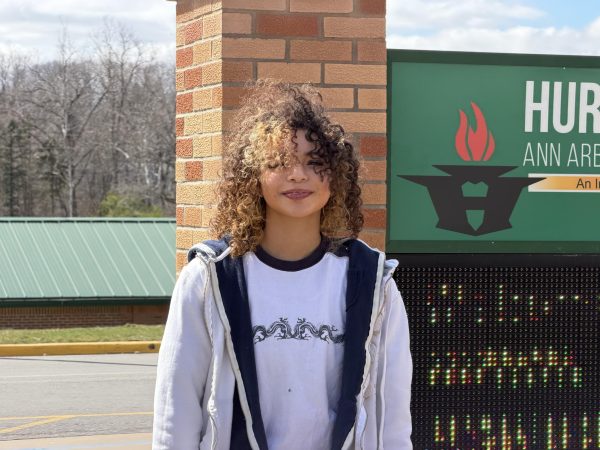


Boozhoo, Jessica nindizhinikaaz. Ann Arbor, Michigan niin nindoonjibaa. Waganaakising Odawak, Niin nindoodem Ajijaak.
A large majority have never seen text like this before. Some would even look at this and assume they are reading gibberish. In reality, this text is a real Indigenous language. One that speaks for the remarkable persistence of a stifled community.
The language you see above is my introduction written in Anishnaabemowin, which roughly translates to:
“Hello, my name is Jessica. I am from Ann Arbor, Michigan. I am a tribal member of the Waganaakising Odawa (Little Traverse Bay Band of Odawa Indians), and I belong to the Crane clan.”
Anishnaabemowin is the tongue spoken by First Nations people located around the Great Lakes. These people are called the Anishinaabe, which comprises eight different nations (the Ojibwe, Chippewa, Odawa, Potawatomi, Algonquin, Saulteaux, Nipissing, and Mississauga).
Yet, having lived in Michigan my whole life, I find it unusual that I rarely meet other Native Americans. One would think that, if there were this many Nations concentrated in the Great Lakes, then it follows that the “Great Lakes State” should have a high population of Indigenous people. With this line of thought, many questions are raised when Native Americans only account for 1.6% of Michigan’s population.
This discrepancy is the result of a multitude of factors, spanning from early colonialism to present-day treatment. The way oppression has taken form within these periods has disadvantaged indigenous communities from having a strong presence. As a result, many Natives have difficulty finding community as a fragmented population. With these circumstances, the muting of indigenous culture seems inevitable. So, how come the Anishnaabemowin language is still beating at all?
The answer to that comes through the loud beat of drums, the hums of vocals, and the jingle of regalia bells; that is, the reuniting ballad of Powwows, where Indigenous people from all around the U.S. unite to dance, sing, and honor their culture.
These gatherings play an important part in preserving Indigenous culture. Through celebration, they combat historical oppression and the erasure of Indigenous communities. Through dance, they care for the present by providing representation for every Native American separated from their cultural community.
Here in Ann Arbor, we have a powwow of our own. In the third weekend of March, the Native American Student Association (NASA) at The University of Michigan hosts an annual “Dance for Mother Earth” Powwow at Skyline High School. It marks the beginning of Spring and is the first in a long circuit of powwows that move throughout Michigan.
The circuit of powwows acts like a circulatory system, pumping life through the heart of the Anishnaabe. At the beginning of each Powwow, the audience watches as a colorful parade of music and dancers file in. This is called a Grand Entry, which doubles as a symbol of cultural pride and an awe-inspiring performance. From the entrancing motion of the fancy dancers to the beautiful chimes of jingle dresses, Grand Entry sets the tone of celebration.
After the Grand Entry, the vendors open their booths while the dancers compete. Although the intense performances in the competitions are a great source of entertainment, my personal favourite is browsing the booths. There, you get to explore the wide range of goods being sold. I find the most inspiration in the artistry of handpicked sage and perfume, in feeling high-quality jackets and blankets, and in admiring intricate beads and jewelry. And, of course, among the most rewarding experiences is taking the first bite of the food vendor’s deliciously prepared frybread.
The best part about this celebration is that you don’t have to be Native American to be included. People, no matter their cultural background, are invited to come experience the wonder of powwows. Indigenous participants are honored to showcase their cultural pride at these gatherings because they understand more than anyone that celebration and community are essential to keeping the heartbeat of culture alive.
It is this understanding that ensures Indigenous peoples remain seen and heard. Through loud, flashy celebrations, Powwows attest to Native Americans’ persistence in preserving language, tradition, and heritage. I encourage anyone interested to attend the Dance for Mother Earth powwow. It is a profound source of community, and a must-have experience.
Miigwech bizindawiyeg.