

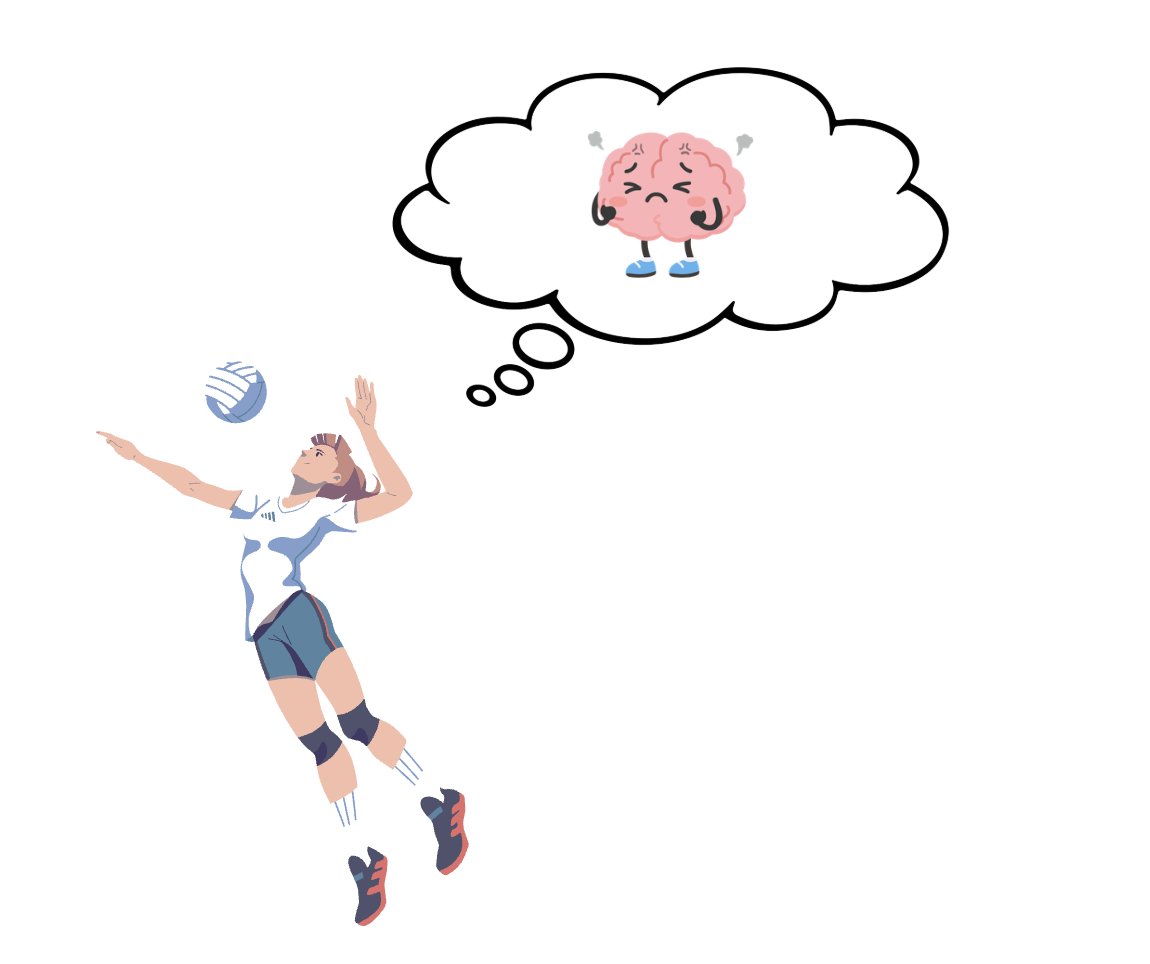
Poor mental health is one of the biggest issues in our modern world. Mental health is the well-being of one’s mental or emotional state. Mental health issues can be experienced through many things, such as in school, in social life, and, believe it or not, in sports. Mental health issues can be experienced in sports in many ways. They can be brought on by things like high-pressure situations, burnout, handling school, sports, and all things that can bring negative mental health emotions to student-athletes.
Mental health in sports is a very important topic. Sports offer huge mental health benefits like stress relief, improved self-esteem, and social connection. However, it also poses risks like performance anxiety, burnout, eating disorders, and depression due to intense pressure, fear of judgement and identity tied to performance. This makes open support, realistic goals, and professional help crucial for athletes at all levels to thrive.
“One of the biggest [mental health issues in volleyball] is burnout,” Huron gym teacher and Chelsea head volleyball coach Toney Cummer said. “So our girls, our athletes, play pretty extensively during the season. It’s not uncommon for high school teams to play 50-60 matches in a season. We’re training six days a week, and then after the season ends in early, mid November. The travel season starts probably a week later, and we’ll go all the way through June or July.”
MHSAA coaches are trained to spot and deal with mental health issues. As mental health issues in sports continue to grow, the awareness among high school coaches and the community continues to grow as well. On the MHSAA website, there are many resources to help high school athletes, and high schools provide good help to the athletes.
“In the MHSAA website, they have their 4H focus, health, heads, heat, and hydration, and hearts,” Cummer said. “In that, there are a number of different resources that you can click on for concussions, mental health, and more. There is also an article about how we’re being trained to spot mental health issues.”
Another aspect that can be tough on student athletes is injuries, as they have an effect on the athletes not only physically but also mentally. This is because the student athletes aren’t able to play the sports, and over time, it can become very difficult for these student athletes to go on with their daily lives and play the sports they love.
“You get hurt, you mess up your right hand, obviously that affects your playing ability, but it also has a mental effect, because I know I can’t play at my best ability,” junior football player Nick Ashford said.
Another big mental health issue in sports, especially for high school students, is the grind, pressure, and hard work that goes into the sport. Sports is a grind, especially in high school, because you always have to stress to be better, whether that’s in school, in the sport, or the grind to get to the next level, which can add a whole other level of stress on the student athlete.
Handling both school and other activities along with sports is not always easy, and at times it can be a lot. Being a student athlete requires a lot of hard work in both school and sports, and over time, it can take a mental toll on the student.
Being a student athlete can bring some negative effects at times. It can really be stressful for student-athletes to handle playing their sport along with getting their school work done, and it can prevent the student-athletes from doing what they want to do.
“It’s a lot sometimes” sophomore basketball player Sam Humphries said. Sometimes I have my game, and I come home immediately to do my homework until bed. “It’s things like that, like not being able to stay for other games, or do other things that I want to do, just because I have all of this work to balance.”