
When one of my closest friends told me they were struggling with mental illness and suicidal thoughts, I was, in one word, shaken. They told me online, both the confession, juxtaposed against its lowercase, casual presentation, and the plea to not tell a soul. I didn’t.
I might have, had they not gotten help, but that’s not the point. The point is that nearly a year later, I found myself inexplicably drawn to images of foggy windows, vintage film stills, and poetic captions like “suicidal people are just angels that want to go home.” It became a normal, somewhat mundane habit to scroll through such aesthetics on Pinterest, but when I realized that such pins were taking over my entire page, I took a step back and began to really question what I was doing — only to find that I was not alone.
Centuries ago, writer William Shakespeare (1564-1616) cast sorrow as an unstoppable force in Hamlet: “When sorrows come, they come not single spies, but in battalions.” Today, on social media feeds, sadness arrives curated, filtered and paused in time for “likes.” The heartbreaks, the melancholic playlists, the dramatic captions — they’re presented not as complex battalions but as aesthetic ones, aesthetics that I have countlessly fallen for. What was once raw grief, war with yourself, becomes stylized sorrow online, detached from real pain.
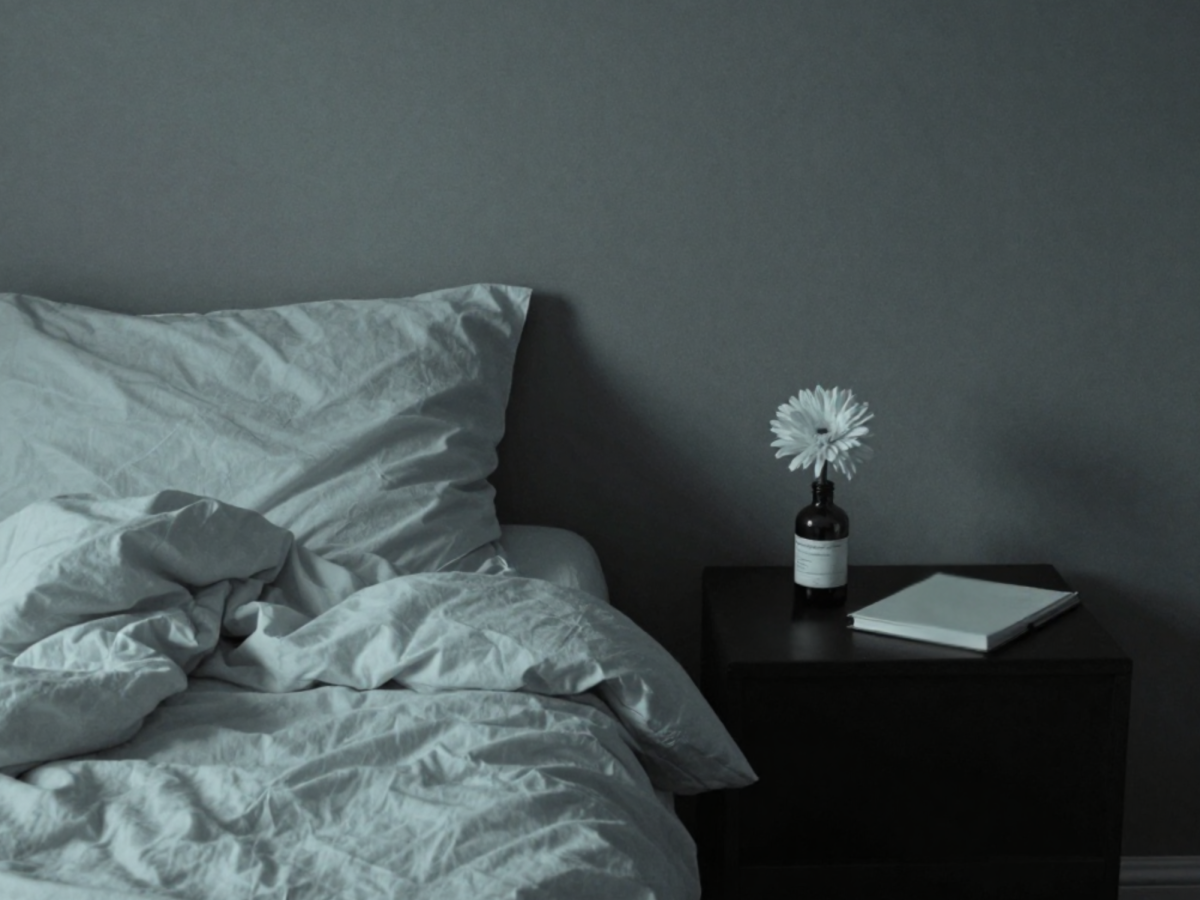
On TikTok, videos tagged #depressionaesthetic and #sadgirl often feature gloomy bedrooms, moody indie music and confessional voiceovers. They draw users in, and thousands of comments voicing their agreement appear under each clip. Once, I watched these as much as the next person, but slowly my mind began to interpret unnecessarily sorrowful themes in my own life, ultimately leading me to ask — what kind of “same” do the comments imply? Shared agony or shared aesthetic?
A content analysis published in Journal of Adolescent Health reviewed a sample of 100 high-engagement videos, each with at least a million views. It found that personal experience videos — what one might call self-recorded emotional posts — garnered significantly more engagement (likes, views, comments) than videos featuring healthcare professionals on the same topic.
This modern tendency to equate depth with sadness isn’t new. It echoes a much older Western tendency to romanticize suffering. Artists and poets like Edgar Allan Poe, Beethoven, Van Gogh and Sylvia Plath are often remembered more for their melancholy than mastery.
The “tortured artist” trope continuously suggests that anguish is fuel for art — that productive creativity and mental illness are inseparable, examples being the names mentioned previously. But in reality, Van Gogh’s most productive period was when his mental health was cared for, not during psychotic episodes, according to The Paris Review.
And yet, the fallacy persists, engraving the same message into millions of minds: if your suffering isn’t beautiful, it isn’t deep enough to be worthy. I, too, believed this for quite a while. The poems that my friend wrote as a coping mechanism were beautiful, and led me to the false notion that I had to be going through what they were in order to produce writing of similar quality. Even now, sometimes I turn a wistful gaze on those who need art to cope, those who produce such deep, haunting melancholy echoing their emotions and experiences, longing for a “reason” to be able to write so well.
Social media does little to correct this myth, instead reinforcing it; it rewards emotional honesty, but your performance of sadness must be artful in order to be accepted. A study in China and Lebanon linked romanticized mental-health content to “identity fusion” — people internalize their struggles so deeply that they begin to see them as essential to who they are, fearing that recovery will erase their identity. This makes recovery difficult as they’re afraid of losing a big part of themselves.
When pain becomes a trend, we don’t just glorify suffering: we incentivize it with flimsy promises of artistic fame and emotional absolution. So how do you identify the line? It’s when you channel emotions into a performance and when pain becomes something you willingly don every morning instead of something you heal from. That’s when awareness slips into romanticization, and the real struggle gets lost in the act.
Shakespeare warned that sorrows come to us not as “single spies” but in overwhelming battalions — a force we endure, not craft. Today, though, those battalions are often reshaped into curated clips and stylized sadness, turning genuine struggle into something performative, making it increasingly difficult to tell the difference between the two. The battalions don’t vanish; they just march on beneath the filter and eventually, the war has to be won. And maybe that’s where the real question emerges: what would it mean to feel whole again, even if — especially if — no one is watching?