



Reminiscing over the past is a rite of passage — one that lasts from your first comprehensible thought to your last. There is something vaguely transcendent about flipping through old photos (bonus points for prehistoric), scrolling through childhood videos, or remembering the shows and songs that once were the center of your world. It’s comforting, even necessary, to revisit those memories. But lately, it feels like the past isn’t just something we remember; it’s something we chase, replicate and obsess over. We have become addicted to nostalgia.
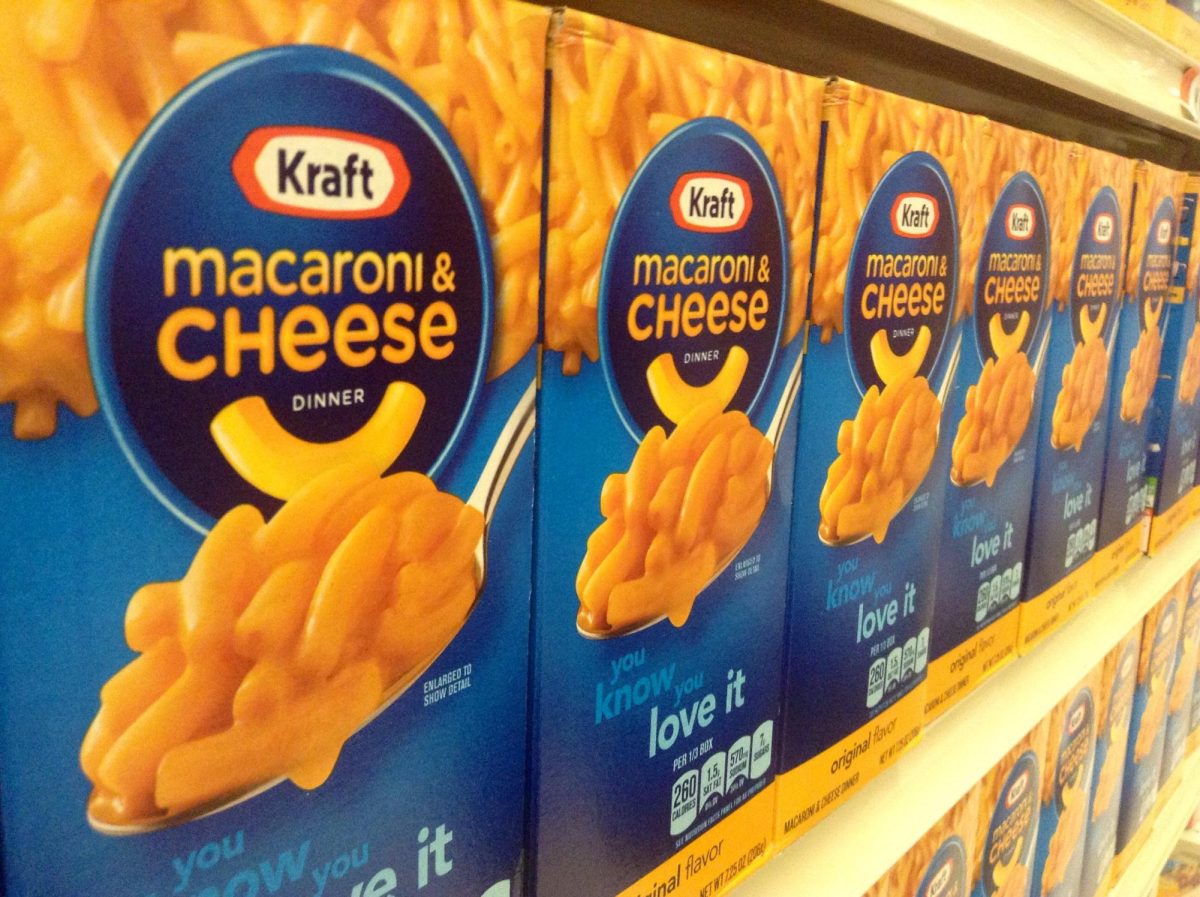
Defined as “a sentimental longing or wistful affection for the past, typically for a period or place with happy personal associations,” nostalgia is the fuel for the reboots and revivals of movies, music and fashion. Almost every major release these days is a remake, reboot or sequel of something familiar and close to heart — Disney live-action adaptations and the planned “Harry Potter” TV series being only a few examples. And this sells.
Money has always been one of the most significant motivators for civilization throughout history, whether it was wars fought over gold or empires built on trade and taxation. This is no different. Companies generate profit from the production of live-action versions of animated films we’ve come to consider “classics,” especially since the audience is eager to revisit and reminisce over their childhood favorites. Many crave comfort, especially in uncertain times like our current political climate.
While nostalgia is a temporary escape from sometimes harsh reality, it’s, well, exactly that — temporary. Trying to make it permanent can be related to humanity’s romanticized hunt for immortality — and in most stories that deal with the topic, the hunter goes insane. And yet, we still strive for the return of Y2K style and immerse ourselves in vintage aesthetics, perpetuating our inner desire to make the past the present for the sake of our comfort.
Nostalgia has great potential to fuel creativity, but often it serves as a replacement. Fanfiction, for example, has grown exponentially, and it’s impacting the production of originality. The same pattern appears in Hollywood, where studios rely on remakes, sequels, and reboots instead of investing in new stories. In music, artists frequently sample older hits or recreate retro sounds to appeal to listeners’ sense of familiarity. And even in fashion, past trends like Y2K and ’90s styles are constantly recycled rather than replaced with new ideas. Across entertainment and art, nostalgia sells—but it keeps creators more focused on what once worked rather than what could come next.
Nostalgia shouldn’t entail recycling the past so much that we become scared of the future, but that’s what’s happening. Humanity has always been hindered by its addiction to nostalgia — I, too, am guilty of falling down this rabbit hole many, many times — and it isn’t going to end. In this ever-changing world, it is an escape, and there’s hardly an alternative. I can’t advise against indulging in reboots of favorite shows without being hypocritical, but I’m trying — as you should — to be mindful of finding a balance.

your favorite gran • Nov 23, 2025 at 9:54 pm
to the one and only benevolent SK:
this is very deep
gran approves
– gran
postscript: (obviously it’s already obvious that I’m obviously gran, due to the fact that “your favorite gran” is obviously displayed as the title of the commenter…but then again, sometimes we like to state the obviously obvious in both actual obvious cases and obviously not so obvious cases as well, which you obviously already know due to our very obviously obvious book on the obviousness)